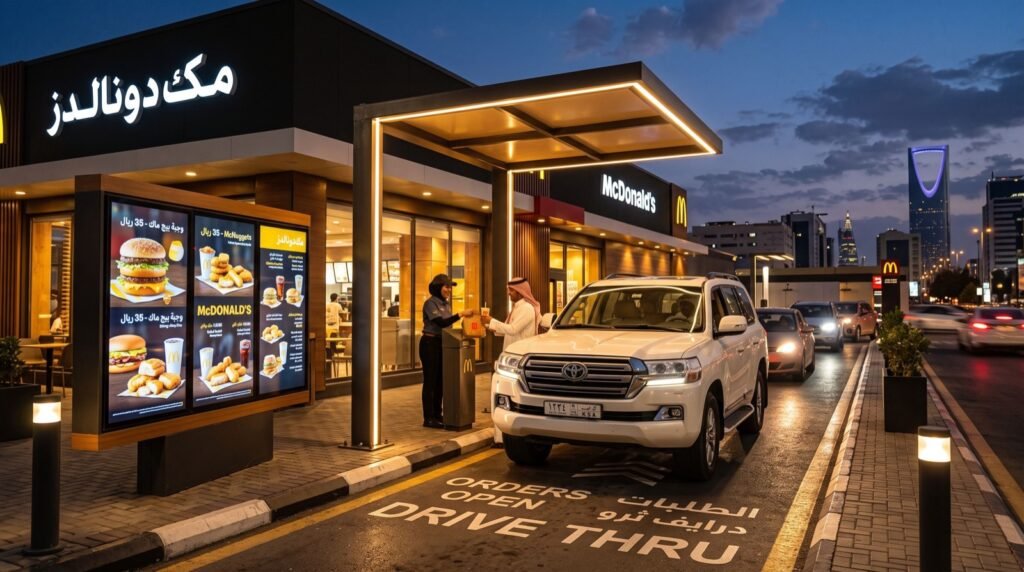
Drive Thru Systems in 2026: Speed, Tech & ROI Guide
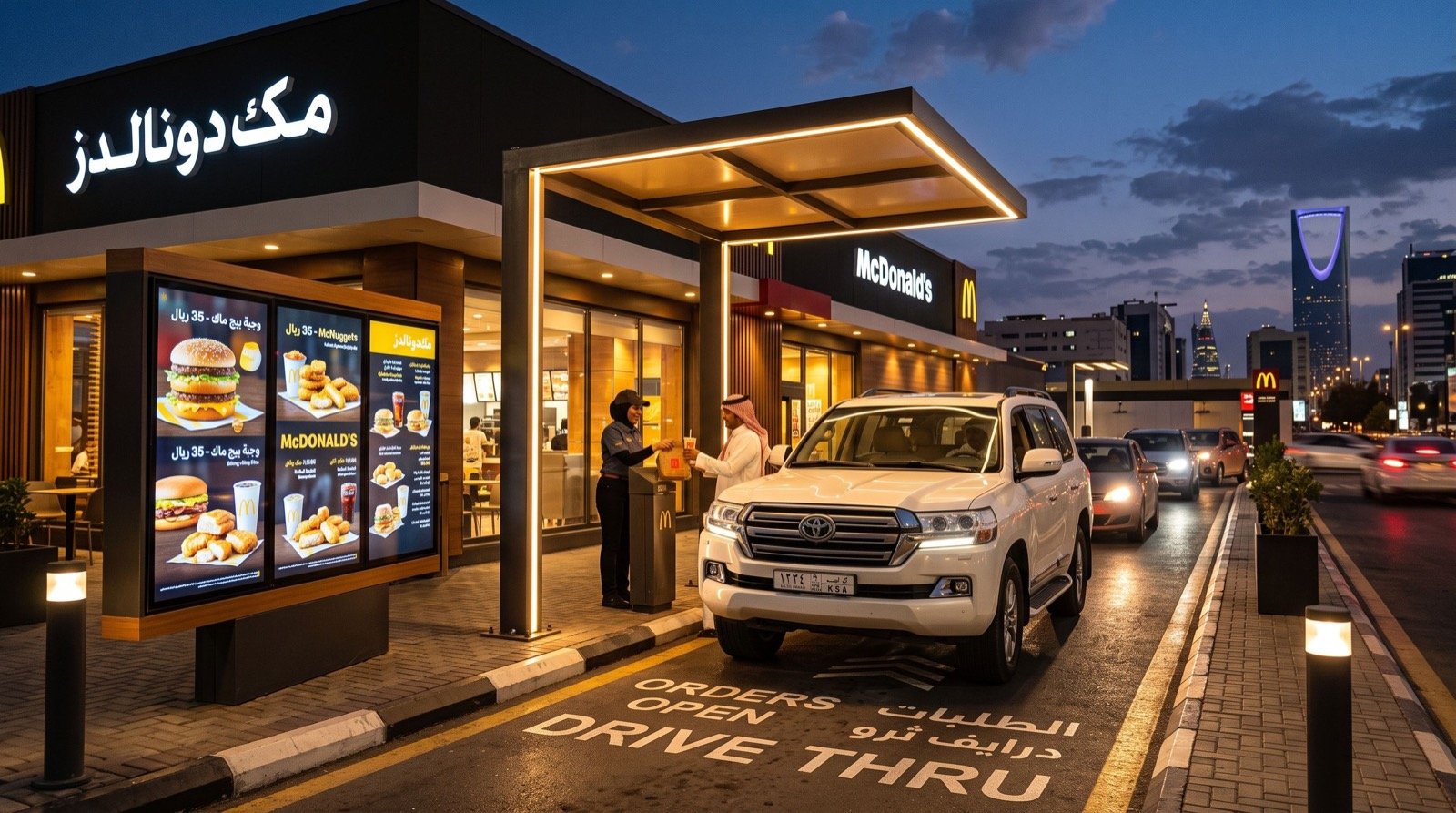
Modern drive thru systems have transformed how quick-service restaurants, pharmacies, and coffee chains serve customers across Saudi Arabia and Pakistan. In 2026, the drive-thru lane is often the single most profitable channel a food brand operates, and the technology behind it decides whether cars flow smoothly or stack into the street. This guide breaks down the hardware, software, and design choices that separate a fast, high-earning lane from a frustrating bottleneck.
We focus on real operational lessons from high-volume outlets, where every saved second per car multiplies into thousands of extra orders each month.
Why Drive Thru Systems Define Restaurant Profit in 2026
The drive-thru channel exploded in popularity and never retreated. For many quick-service brands, more than half of all revenue now comes through the lane. That concentration means the reliability and speed of your drive thru systems directly determine store profitability.
A slow lane does not just annoy customers; it physically caps how many cars you can serve during the lunch and dinner rush. Investing in the right headsets, timers, and order-confirmation displays removes that ceiling. Proven Drive Thru Systems give managers the data and clarity to shave seconds off every stage of the journey.
The Economics of Speed
Industry benchmarks tracked by outlets such as QSR Magazine show that reducing average service time by even 20 seconds per car can add measurable double-digit throughput during peak windows. In a busy Riyadh or Karachi outlet, that difference funds the entire system within months.
Core Components of a Modern Drive Thru System
A complete lane is more than a speaker and a window. The following components work together to move cars quickly and accurately.
- Wireless headset systems for clear crew-to-customer audio
- Order confirmation displays that reduce mistakes and disputes
- Vehicle detection loops and timers that measure each stage
- Digital menu boards that update pricing and promotions instantly
- Analytics dashboards that reveal bottlenecks by daypart
The headset audio quality is the unsung hero. Crackly communication forces staff to repeat orders, adding seconds and errors to every single transaction.
Single vs. Dual and Tandem Lanes
High-volume sites increasingly adopt dual or tandem lanes to parallelize ordering. The trade-off is complexity: dual lanes need smart order-matching so the right food reaches the right car. The correct layout depends on your traffic pattern and available land.
How Much Do Drive Thru Systems Cost?
Pricing depends on lane count, headset quantity, and whether you add digital menu boards. The table below outlines typical 2026 ranges.
| Configuration | Best For | Approx. Cost (USD) | Payback Window |
|---|---|---|---|
| Single-lane headset + timer | Standard QSR outlet | 4,000 – 9,000 | 4-8 months |
| Lane + digital menu + display | Busy urban store | 12,000 – 25,000 | 6-12 months |
| Dual / tandem full stack | Flagship high-volume | 30,000+ | 9-18 months |
These figures include hardware and installation. Cloud analytics often carry a modest monthly fee that most operators recover through improved throughput alone.
How Do You Optimize an Existing Drive Thru?
You do not always need a full rebuild. Many outlets unlock major gains by tuning what they already have. Follow this practical sequence.
- Measure current service time per car for a full week to find your baseline.
- Identify the slowest stage: ordering, payment, or handoff.
- Add or reposition an order-confirmation display to cut errors.
- Retrain crew on headset etiquette and pre-loaded suggestive selling.
- Review the data weekly and adjust staffing to proven peak windows.
Choosing the right installation partner is critical. The quality service providers you would trust with any high-value project share the same discipline: precise planning, clean execution, and support that continues long after the equipment is switched on.
Security and Identity at the Lane
Some drive-thru and click-and-collect formats now verify loyalty members or pharmacy customers at pickup. Pairing the lane with a compact scanner such as the Secugen Hampster Pro 20 adds fast, fraud-resistant identity checks for prescription or high-value handoffs without slowing the flow.
Design and Site Layout Considerations
Technology cannot fix a poorly designed lane. Sufficient stacking space, clear signage, and a logical order-to-pickup path all reduce congestion. Plan for at least six to eight cars of queue depth in high-traffic locations.
Weather protection matters too. In the Gulf’s summer heat, shaded menu boards and heat-rated hardware last longer and stay readable. Specify components rated for local climate conditions from the outset.
Measuring Success After Installation
Track average service time, cars per hour, order accuracy, and peak-hour abandonment. Compare these against your pre-installation baseline every week for the first quarter.
Operators who act on this data routinely cut service time by 15 to 30 percent and lift peak throughput noticeably. Those gains are durable because they come from measured process improvement, not one-off promotions.
Staff Training Multiplies the Technology
Even the best hardware underdelivers without disciplined crew habits. Train staff to greet within the first few seconds, confirm the order on the display before payment, and pre-stage frequent items during known rush windows. These behavioural changes cost nothing yet compound the gains your equipment delivers.
Rotate a dedicated expeditor into the handoff position during peak hours. A single person focused on accuracy and speed at the window often removes more seconds per car than any hardware upgrade, because the final handoff is where mistakes and delays most commonly cluster.
Future-Proofing Your Drive Thru Investment
Technology moves fast, so specify systems that can grow. AI-driven order prediction, licence-plate loyalty recognition, and voice-assisted ordering are all maturing in 2026. Choosing an open, upgradeable platform means you can adopt these tools without ripping out your core hardware.
Ask vendors about their firmware roadmap and integration APIs before signing. A platform that already connects cleanly to your point-of-sale and kitchen display will absorb tomorrow’s innovations far more smoothly than a closed, proprietary box.
Frequently Asked Questions
What is the most important part of a drive thru system?
Clear headset audio and accurate order confirmation matter most. Together they cut repeated orders and errors, which are the biggest hidden time-wasters in any lane.
How long does installation take?
A single-lane headset and timer setup is usually live within a few days. Full digital menu and dual-lane projects take one to three weeks depending on civil work and network readiness.
Can drive thru systems work in extreme heat?
Yes, provided you specify heat-rated hardware and shaded menu boards. This is essential for Gulf outlets where summer temperatures can damage consumer-grade equipment.
Do these systems provide useful analytics?
Modern platforms report service time by stage, cars per hour, and daypart trends. Managers use this data to staff smarter and target the slowest step for improvement.
Final Thoughts on Modern Drive Thru Systems
In 2026, drive thru systems are the profit engine of quick-service brands across Saudi Arabia and Pakistan. The right combination of clear audio, order confirmation, digital menus, and analytics turns your busiest lane into your most reliable revenue stream. Measure your current baseline, fix the slowest stage first, and choose a partner with proven high-volume experience and local climate expertise. Request a lane assessment and a transparent quote today, and give your outlet the throughput advantage that peak-hour profit demands.